The Coach House: a calm, therapeutic hub in New Mills, Derbyshire.
Take Part Therapeutic Engagement Programme
Take Part provides a therapeutic education engagement programme for children and young people who are temporarily unable to access education consistently within the school environment due to EBSA, trauma, neurodivergence-related needs or complex SEND. Our work helps schools and Local Authorities maintain educational engagement, support delivery of EHCP outcomes, and develop safe, realistic reintegration pathways.
Our work is therapeutic and relational. We focus on stabilising the child, rebuilding trust and supporting re-engagement with learning, in partnership with families, schools and professionals.
Take Part does not operate as a school and does not provide full-time education. We support access to education and reintegration alongside statutory education provision secured by schools and/or the Local Authority.
We provide structured, part-time Non-School Alternative Provision (AP) for primary-aged pupils, designed to complement and support school placements. Our approach combines a nurturing, relational environment with clear routines, expectations and purposeful activity, helping pupils to feel safe while building readiness for learning. Each placement begins with a baseline assessment, followed by individualised targets, ongoing monitoring and regular review, enabling schools to evidence measurable impact over time. We work closely in partnership with schools and families, with a strong focus on improving engagement, supporting attendance, and enabling successful reintegration to mainstream education.
A typical 12-week stabilisation and reintegration phase
Our work is often structured as a 6–12 week intervention (flexed by need) and can follow a clear 12-week arc:
Weeks 1–2: Listening and shared understanding
Establish safety, reduce pressure, agree communication and an initial support plan.
Weeks 3–6: Stabilisation and regulation
Low-demand, relational support to reduce distress and rebuild trust.
Weeks 7–10: Planning and reintegration pathway
Agree realistic next steps, adjustments and shared ownership with school/LA/family.
Weeks 11–12: Reintegration support and review
Support early steps, adapt quickly and agree step-down / next phase.
The Coach House: a calm, therapeutic hub in New Mills, Derbyshire
Our commissioned work can be delivered in schools, in the community, or from our dedicated therapeutic base:
The Coach House
Hyde Bank Road, New Mills, High Peak SK22 4BP
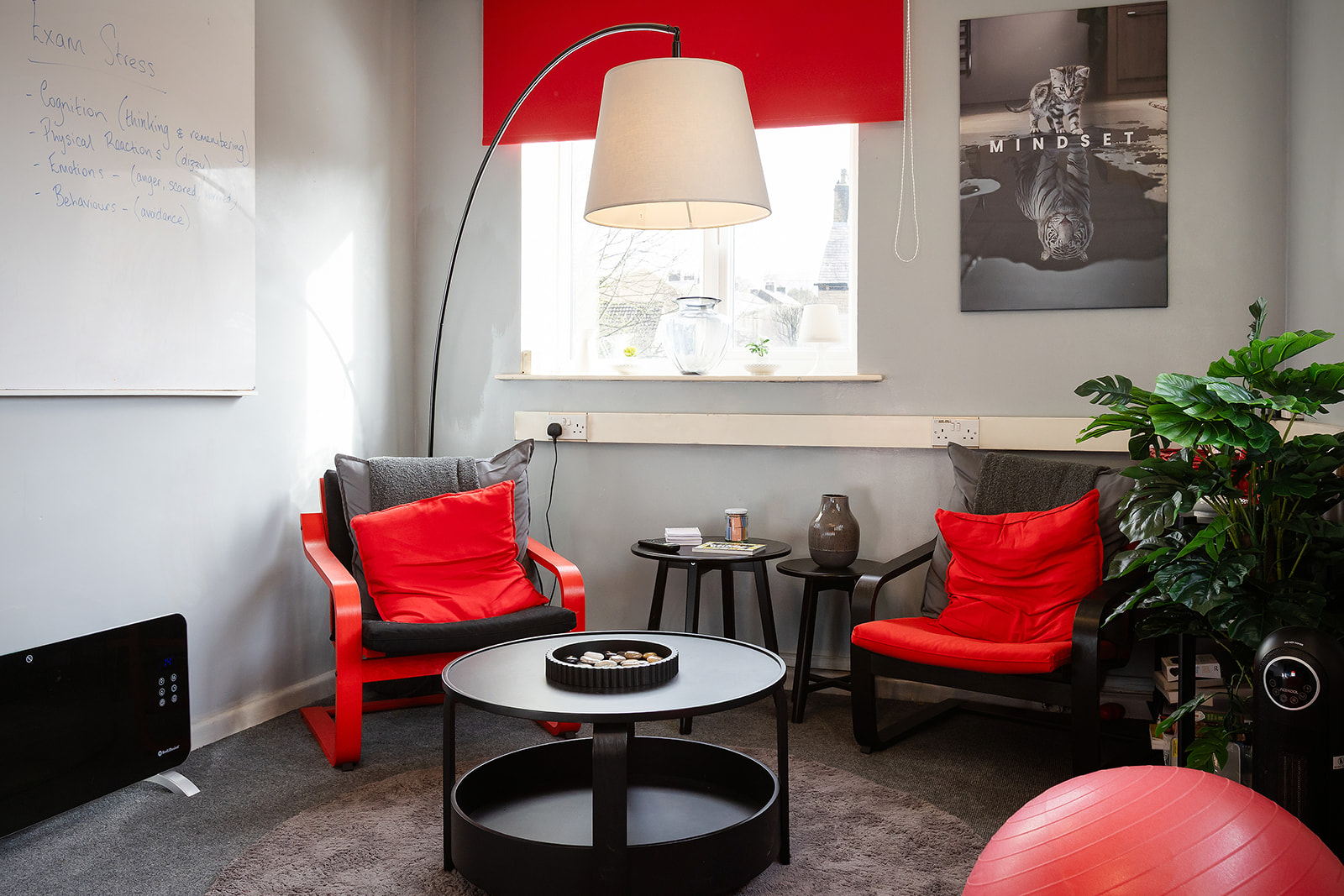
A newly refurbished, calm and supportive environment designed to help children and families feel safe, regulated and ready to engage.
The Coach House includes:
✔ A creative / craft room for structured, hands-on work
✔ A sensory room for regulation and grounding
✔ An emotional coaching room
✔ A gaming & digital music room to support connection, confidence and engagement
The Coach House - Emotional Coaching Space
Who this support is for
Our commissioned support is most effective for children and young people who may:
-
be experiencing emotionally based school avoidance (EBSA) or persistent non-attendance
-
feel overwhelmed by school demands, anxiety, distress or emotional dysregulation
-
be neurodivergent (e.g., autism / ADHD /PDA) and need a flexible, relational approach
-
be at risk of escalation (repeated crises, breakdown in home–school relationships, exclusion pathways)
-
need a carefully paced plan to return to education following a period of instability
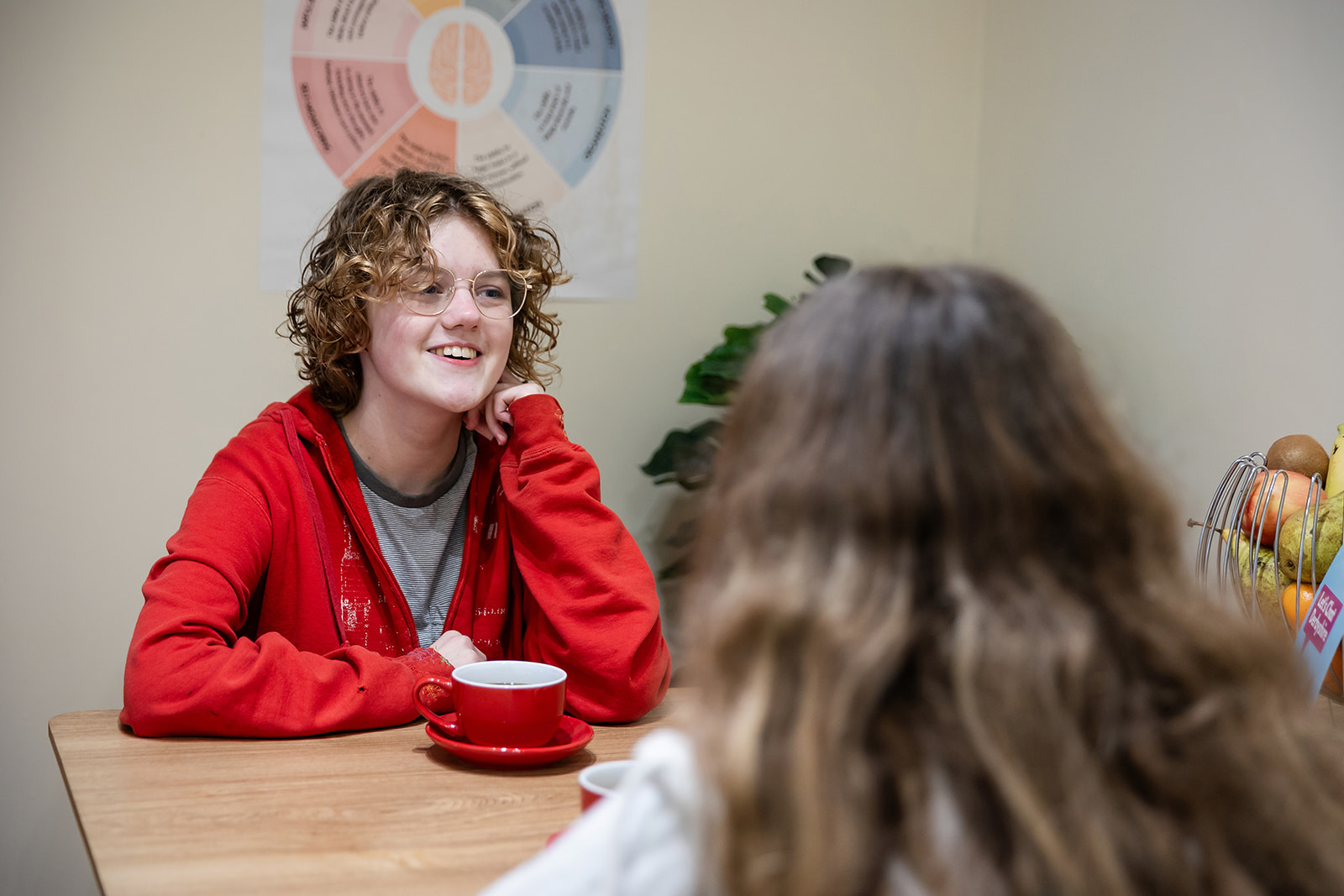
What we deliver
Commissioners and schools can commission Take Part for time-limited, outcomes-focused support such as:
Stabilisation and emotional regulation
✔ Relational 1:1 support (child-centred, trauma-informed)
Support can be delivered as 1:1 intervention or within a small therapeutic cohort, with staffing ratios determined by the child’s presentation, risk, regulation profile and EHCP needs.
✔ Practical strategies for regulation, confidence and daily functioning
✔ Consistent routines and low-demand re-engagement plans
Reintegration planning and paced re-engagement
✔ Phased reintegration plans that the child can tolerate
✔ Practical adjustments and communication plans to reduce conflict and relapse
✔ Support with transitions and key pressure points
Family–school bridging and coordination
✔ Strengthening relationships between home and school
✔ Clear review points and next steps
✔ Joined-up working with SENDCos, DSLs, inclusion teams and Early Help where appropriate
Parent / carer emotional coaching (where appropriate)
✔ Parent sessions focused on co-regulation, boundaries and emotional support
✔ Practical home strategies that complement the education plan
✔ Reducing overwhelm and improving consistency across settings
Creative therapeutic engagement (Drama Therapy)
Some children and young people find it difficult to talk about how they feel, particularly when anxiety, overwhelm or emotional dysregulation make school feel unsafe or unmanageable. In these situations, creative therapeutic approaches can offer a more accessible way for children to explore emotions and rebuild confidence.
As part of the Take Part Therapeutic Engagement Programme, we may incorporate drama therapy approaches to support children who are struggling to engage with learning due to anxiety, trauma, neurodivergent needs or emotionally based school avoidance (EBSA).
Using storytelling, role-play and creative exploration, children can safely express feelings, explore experiences and practise real-life situations in a supportive environment. This approach can help children:
- build emotional safety and trust
- develop confidence and communication skills
- explore worries that are difficult to express verbally
- strengthen emotional regulation
- rehearse social or school situations before returning to learning environments
Creative therapeutic work forms part of our structured, time-limited intervention, typically delivered within a 6–12 week stabilisation and reintegration programme.
This approach can be particularly helpful for pupils experiencing Emotionally Based School Avoidance (EBSA), where anxiety or distress make direct classroom reintegration difficult.
Our work supports children whose needs go beyond ordinarily available school support, providing a personalised pathway to rebuild engagement with learning while working in partnership with families, schools and professionals.
Where appropriate, this support may also form part of a wider education support package for children who are temporarily unable to access school consistently, helping maintain engagement with learning while a safe and sustainable pathway back to education is developed.
Animal-assisted practice note (safeguarding)
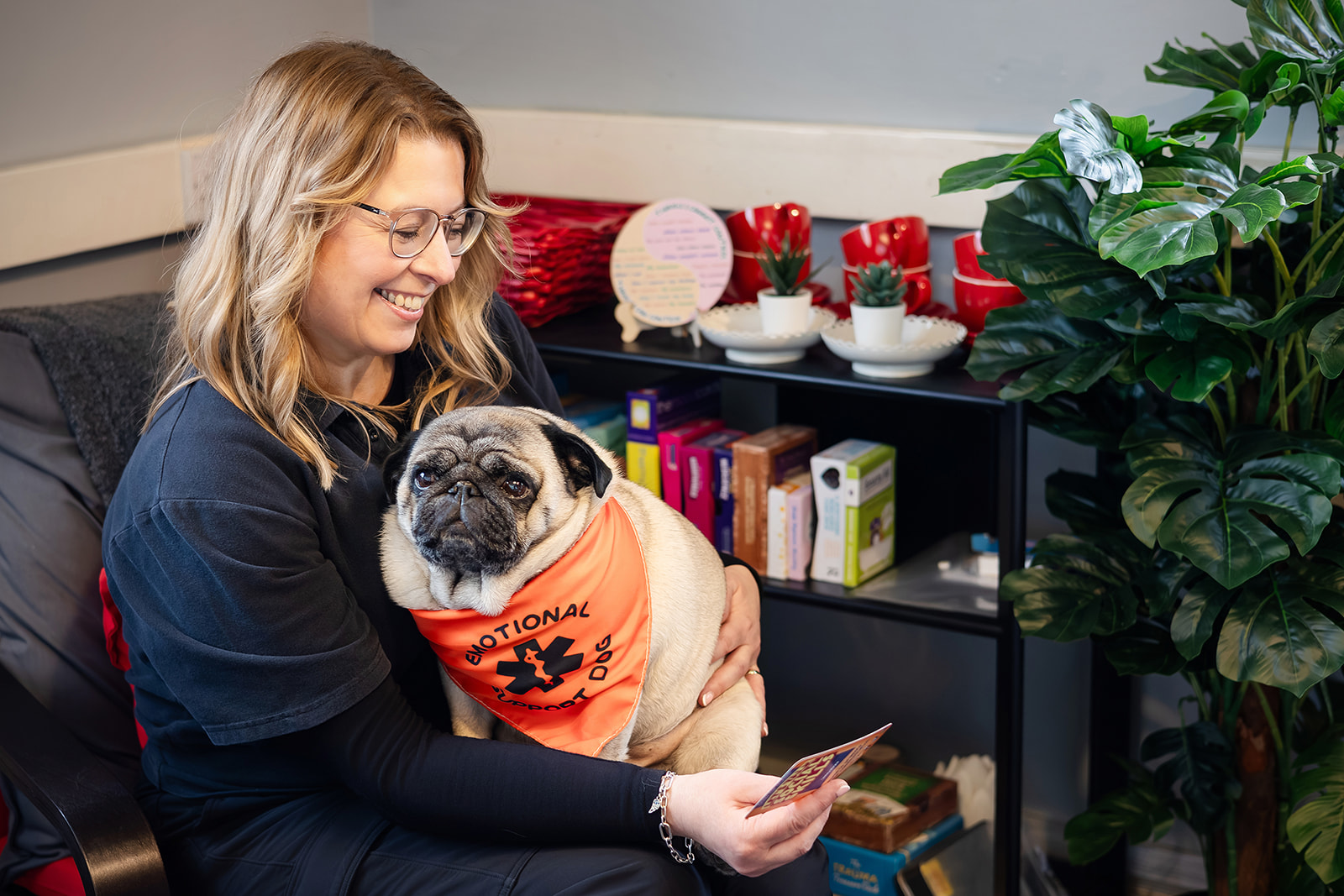
Oscar’s involvement is optional, planned and risk-assessed. We use animal-assisted support only where it is appropriate for the child or young person and where it supports their emotional safety and engagement.
We:
- always consider consent, comfort and cultural needs
- screen for allergies, fears/phobias, sensory sensitivities and any relevant medical considerations
- agree involvement with parents/carers and professionals where required
- ensure Oscar is supervised by staff at all times and never left alone with a child
- follow clear hygiene and infection control routines
- maintain professional boundaries (no expectation of contact; children can choose distance and time)
- record and review any animal-assisted involvement as part of the child’s support plan
Oscar is included to provide a calm, regulating presence, not as a substitute for therapeutic intervention, and sessions can be delivered with or without him depending on need.
Meet Oscar - Oscar is our resident wellbeing dog at The Coach House. His calm, reassuring presence helps children feel safe, regulated and ready to engage — especially during moments of anxiety or overwhelm. For many young people, Oscar makes the space feel welcoming before words are even needed.


How we can be commissioned (SEND / EOTAS)
Take Part may be commissioned by:
✔ Schools (reintegration support, stabilisation, targeted SEMH / family work)
✔ Local Authorities (as part of bespoke SEND support or EOTAS packages)
Where EOTAS is in place, Take Part can be commissioned as a therapeutic engagement and reintegration element within a wider education package secured by the Local Authority.
We are clear and consistent about scope:
-
we support access to education
-
we do not replace statutory education provision
-
we do not deliver full-time education
-
we do not operate as a school
Programmes are typically delivered over 6–12 weeks and may include several hours of therapeutic engagement each week, depending on the child’s needs and agreed support plan.

Safeguarding, governance and professional standards
Take Part Wellbeing CIC works to robust safeguarding expectations. We provide:
✔ safer recruitment and DBS processes
✔ safeguarding policy and safeguarding lead
✔ risk assessment and escalation procedures
✔ professional boundaries, supervision and reflective practice
We work in partnership with families, schools and professionals to support sustainable change. Packages may be commissioned as 1:1 intervention or small therapeutic cohort support, depending on need.
“We take safeguarding and professional standards seriously. Our work is underpinned by safer recruitment, robust safeguarding procedures, clear escalation routes and reflective supervision — so children, families and partners can have confidence in the support we provide.”
Enquiries and commissioning discussions
Schools can request an EBSA consultation to explore early support options before absence escalates.
📧 louise@wearetakepart.com
Take Part Wellbeing CIC — New Mills, Derbyshire